
BIZCONSULT THAM GIA ĐÓNG GÓP Ý KIẾN THAM LUẬN TẠI HỘI THẢO “LẤY Ý KIẾN GÓP Ý ĐỐI VỚI CÁC DỰ THẢO ÁN LỆ VÀ DỰ THẢO BÁO CÁO NGHIÊN CỨU VỀ PHÁT TRIỂN ÁN LỆ TẠI VIỆT NAM”

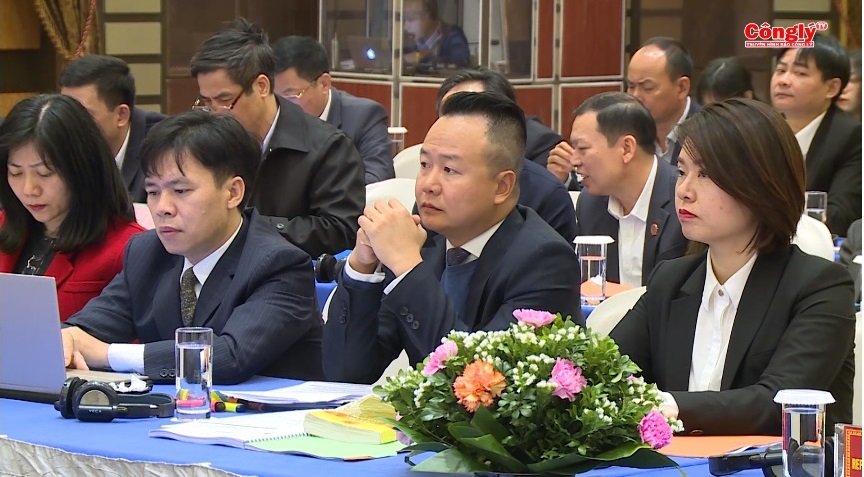
“Ngày 09/12/2019, Hội thảo “Lấy ý kiến góp ý đối với các dự thảo án lệ và dự thảo báo cáo nghiên cứu về phát triển án lệ tại Việt Nam” do Tòa án Nhân dân Tối cao phối hợp cùng liên minh Châu Âu trong khuôn khổ chương trình “Tăng cường pháp luật và tư pháp tại Việt Nam” (EU JULE) đã diễn ra tại Hà Nội. Hội thảo được chủ trì bởi PGS.TS Nguyễn Hòa Bình, Bí thư TW Đảng, Chánh án TANDTC, Tham gia Hội thảo còn có các Phó Chánh án TANDTC, Thẩm phán TANDTC, lãnh đạo các đơn vị trực thuộc TANDTC, lãnh đạo các Tòa án tỉnh và các nhà khoa học thuộc các Trường Đại học Luật Hà Nội, Học viện Cảnh sát nhân dân, Hội Luật gia Việt Nam… Về phía UNDP, có sự tham dự của bà Caitlin Wiesen – Trưởng đại diện UNDP tại Việt Nam.

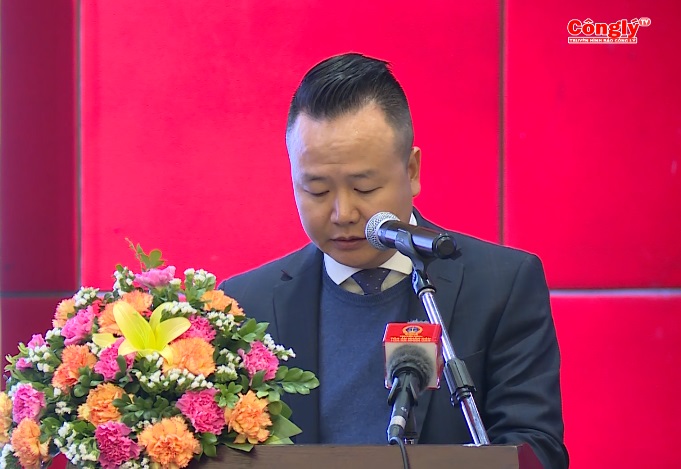
Tại hội thảo, Luật sư Nguyễn Trọng Nghĩa – Thạc sĩ Luật Dân sự, Thương mại Cộng hòa Pháp, Luật sư thành viên của Công ty Luật TNHH bizconsult đã đóng góp ý kiến tham luận và đề xuất giải pháp nhằm tiếp tục xây dựng và phát triển án lệ tại Việt Nam. Bà Caitlin Wiesen cho biết UNDP và cộng đồng quốc tế rất quan tâm đến vấn đề công nhận và cho thi hành tại Việt Nam phán quyết của Trọng tài nước ngoài nên họ rất mong trong tương lai gần sẽ có án lệ về lĩnh vực này. Đây cũng là nội dung do bizconsult đề xuất khi trình bày tham luận.
Dự kiến trong thời gian sắp tới, các luật sư tranh tụng của Công ty Luật Bizconsult sẽ quan tâm và cố gắng tham dự các hội thảo, đóng góp ý kiến cho các dự thảo… về các lĩnh vực, vấn đề liên quan đến pháp luật về tố tụng của Việt Nam.”

https://tapchitoaan.vn/bai-viet/thoi-su/hoi-thao-ve-phat-trien-an-le-tai-viet-nam

Legal issues on peer-to-peer lending business In Vietnam

Lưu ý: “bài viết này chỉ phát hành tiếng Anh cho tạp chí nước ngoài Asian- Mena Counsel”

By Ha Thi Hai.

Peer-to-peer (P2P) lending has been growing rapidly in Vietnam, along with the develop­ment of financial technology. There are a number of such enterprises using online platforms to con­nect borrowers and lenders, including Tima.vn, Vaymuon.vn, Fungo.vn and Lendbiz.

What is the principal legal framework of Vietnam for P2P lending business?

As a general principle under the Law on Investment of Vietnam, P2P lending is neither a prohibited nor a conditional business line. This is probably the most favourable legal basis for P2P lending to be conducted in Vietnam in the current context.

With no specific regulation promulgating P2P lending, it may be considered as an e-commerce trading platform, with the “buyer, seller” being the borrower and lender, and “goods, services” being lending activity. However, continuous lending for profit is deemed banking activity and is restricted to credit institutions pursuant to Vietnamese laws. On the other hand, it is prohibited by law to take advantage of the name of e-commerce business activities for illegal capital raising from other traders, organisations and individuals. This is probably the reason why almost all P2P lending businesses fail to register as an e-commerce trading platform in Vietnam.

In practice, because P2P lending companies and all other companies in Vietnam have to register their business activities, P2P lending companies in Vietnam mostly register as investment consultancy, information search services via contracts, financial consultancy supporting services, brokerage activities, etc.

In the current context, what legal issues may a P2P lending company in Vietnam be faced with?

First of all, regarding business activities that are not governed by laws and imply potential risks to the society that may not be managed by state agencies, there is a possibility that the Vietnamese state agencies will consider risk-mitigating measures or enact a regulatory framework for the purpose of management. In fact, the State Bank of Vietnam is currently developing a plan to allow a number of companies that have good financial capacity to pilot P2P lending businesses. After that, the State Bank of Vietnam may add P2P lending to the group of conditional business lines to tighten its management.

The second issue relates to loan interest. As there is no governing regulation, the lending interest rate in civil transactions through P2P lending under the Civil Code 2015 shall be agreed by the parties, but must not exceed 20 percent per year of the loan. It is noted that if the interest rate in a civil transaction is five times higher than the maximum interest rate specified in the Civil Code, earns an illegal profit of from VND30 million to under VND100 million or recommits this offence despite the fact that he/she has incurred an administrative penalty or has an unspent conviction for the same offence, it may constitute a crime of usury in civil transactions under the Criminal Code.

The third matter is responsibilities of P2P lending business to the loan. Due to the absence of legal provisions governing the P2P lending business and responsibilities of P2P lending companies, in the current context, the responsibilities of P2P lending company in case the borrower fails to pay the debt based on the civil laws and the agreements signed between the parties, as well as the rules and regulations of the P2P lending platform which are developed and published on their websites. Therefore, if the agreements, rules and regulations are not well prepared, loans are not well managed, KYC appraisal procedure is absent or not reliable enough, it shall easily lead to an increase of bad debts and complaints about the responsibilities of P2P lending companies when bad debts arise.

The fourth is the issue of payment. A number of P2P lending businesses act as payment intermediaries between borrower and lender for the purpose of controlling information of the loan and fee collection. This activity may face the risk of being considered as a payment intermediary business, which must be licensed by the State Bank of Vietnam. The provision of payment intermediary services without a licence of the State Bank of Vietnam may be subject to administrative fines and confiscation of proceeds.

Fifth, regarding anti-money laundering, organisations conducting financial activities are currently required to comply with very strict anti-money laundering regulations by the Law on Anti- Money Laundering. P2P lending activities that have not been governed by anti-money laundering regulations may lead to the risk that the P2P lending business is unable to control money laundering activities that may arise in loan transactions and potential risks from these money laundering activities.

Learning from the lesson of the explosion of uncontrolled P2P lending in China, leading to the collapse of hundreds of P2P platforms in 2018 and the recent trend of redirection of some P2P lending platforms to Vietnam, the Government will issue legal regulations in the coming time to manage, control, prevent risks and other forms of corruption from P2P lending in Vietnam. Therefore, during this time, P2P lending investors need to do research on relevant Vietnamese regulations carefully to orient their business activities and to avoid the risks of violating the laws. Investors may also consider proactively submitting their business plans to the SBV for consideration and approval to legally pilot this business activity.

BẢN TIN PHÁP LÝ – THÁNG 11, 2019 – LUẬT KINH DOANH BẢO HIỂM

QUY ĐỊNH MỚI VỀ LUẬT KINH DOANH BẢO HIỂM


Nguyễn Thu Trang
Trợ lý pháp lý

Luật Kinh doanh bảo hiểm, sau gần 20 năm thi hành, đã có những tác động tích cực đối với sự phát triển kinh tế – xã hội của đất nước. Để đáp ứng cam kết tại Hiệp định Đối tác Toàn diện và Tiến bộ xuyên Thái Bình Dương (CPTPP), Quốc hội đã thông qua Luật số 42/2019/QH14 ngày 14/06/2019 sửa đổi, bổ sung một số điều của Luật Kinh doanh bảo hiểm, Luật Sở hữu trí tuệ (“Luật số 42”). Luật số 42 sẽ chính thức có hiệu lực thi hành từ ngày 01/11/2019, trong đó một số nội dung đáng chú ý liên quan đến kinh doanh bảo hiểm như sau:

1. Bổ sung quy định về dịch vụ phụ trợ bảo hiểm

Đây là loại hình kinh doanh bảo hiểm mới được quy định, cụ thể, dịch vụ phụ trợ bảo hiểm là một bộ phận cấu thành của hoạt động kinh doanh bảo hiểm, do doanh nghiệp bảo hiểm, doanh nghiệp môi giới bảo hiểm và tổ chức, cá nhân khác thực hiện nhằm mục đích sinh lợi. Dịch vụ phụ trợ bảo hiểm bao gồm 5 hoạt động: tư vấn bảo hiểm, đánh giá rủi ro bảo hiểm, tính toán bảo hiểm, giám định tổn thất bảo hiểm và hỗ trợ giải quyết bồi thường bảo hiểm.

Dịch vụ phụ trợ bảo hiểm cũng được bổ sung vào Danh mục ngành, nghề đầu tư kinh doanh có điều kiện tại Phụ lục 4 Luật Đầu tư sửa đổi theo quy định tại Khoản 2, Điều 3 Luật số 42.

2. Bổ sung quy định về cung cấp dịch vụ phụ trợ bảo hiểm

Tư vấn bảo hiểm với tư cách là một dịch vụ phụ trợ bảo hiểm độc lập có sự khác biệt so với việc tư vấn bán sản phẩm bảo hiểm do đại lý bảo hiểm và doanh nghiệp môi giới bảo hiểm thực hiện theo Luật Kinh doanh bảo hiểm hiện hành, do đó, Luật số 42 đã bổ sung khái niệm và quy định điều kiện về trình độ chuyên môn của cá nhân cung cấp dịch vụ tư vấn bảo hiểm tại Khoản 4, Điều 1 Luật số 42 (Khoản 1 Điều 93b). Theo đó, ngoài điều kiện về năng lực hành vi dân sự, cá nhân cung cấp dịch vụ phụ trợ bảo hiểm phải có văn bằng đại học trở lên về chuyên ngành bảo hiểm hoặc văn bằng từ đại học trở lên về chuyên ngành khác và chứng chỉ về tư vấn bảo hiểm.

Bên cạnh đó, tổ chức cung cấp dịch vụ phụ trợ bảo hiểm cũng phải đáp ứng đầy đủ các điều kiện về tư cách pháp nhân và điều kiện đối với cá nhân cung cấp dịch vụ phụ trợ bảo hiểm nêu trên theo quy định tại Khoản 4, Điều 1 Luật số 42 (Khoản 2 Điều 93b).

Nhằm tạo điều kiện cho tổ chức, cá nhân đang hoạt động phụ trợ bảo hiểm có thời gian chuẩn bị để đáp ứng các điều kiện cung cấp dịch vụ và đảm bảo chế tài thực hiện, Khoản 1, Điều 4 Luật số 42 đã quy định thời hạn 1 năm để tổ chức, cá nhân cung cấp dịch vụ phụ trợ bảo hiểm đáp ứng các điều kiện trên.

3. Bắt buộc mua bảo hiểm trách nhiệm nghề nghiệp khi cung cấp dịch vụ phụ trợ bảo hiểm

Khoản 4, Điều 1 Luật số 42 (Khoản 3 Điều 93a) quy định cá nhân cung cấp dịch vụ tư vấn bảo hiểm phải mua bảo hiểm trách nhiệm nghề nghiệp cho việc cung cấp dịch vụ tư vấn bảo hiểm; tổ chức cung cấp dịch vụ phụ trợ bảo hiểm cũng phải mua bảo hiểm trách nhiệm nghề nghiệp phù hợp với từng loại hình dịch vụ phụ trợ bảo hiểm.

Download pdf version

BẢN TIN PHÁP LÝ – THÁNG 11, 2019 – NGHỊ ĐỊNH 75/2019

NHỮNG QUY ĐỊNH MỚI VỀ XỬ PHẠT VI PHẠM HÀNH CHÍNH TRONG LĨNH VỰC CẠNH TRANH

Nguyễn Tú Oanh – Trợ lý luật sư

Nhìn chung, Nghị định 75/2019 ban hành đã đáp ứng và tương thích với những thay đổi, điểm mới tại Luật cạnh tranh 2018 như sau:Ngày 26/09/2019, Chính Phủ đã ban hành Nghị định số 75/2019/NĐ-CP (“Nghị định 75/2019”) quy định về xử phạt vi phạm hành chính trong lĩnh vực cạnh tranh, chính thức có hiệu lực vào ngày 01/12/2019 và thay thế Nghị định số 71/2014/NĐ-CP ngày 21/07/2014 (“Nghị định 71/2014”).

Đối tượng áp dụng của Nghị định 75 tương tự với Luật cạnh tranh 2018. Theo đó, Nghị định 75/2019 áp dụng cả đối với cơ quan, tổ chức, cá nhân trong nước và nước ngoài có liên quan. Trường hợp tổ chức nước ngoài vi phạm Luật cạnh tranh 2018 có thể bị xử phạt theo quy định tại Nghị định 75/2019.

Nghị định 75/2019 quy định chi tiết hành vi vi phạm cạnh tranh hơn so với Nghị định 71/2014. Cụ thể, hành vi vi phạm hành chính về cạnh tranh theo Nghị định 75/2019 gồm: (i) Hành vi vi phạm quy định về thỏa thuận hạn chế cạnh tranh; (ii) Hành vi vi phạm quy định về lạm dụng vị trí thống lĩnh thị trường, lạm dụng vị trí độc quyền; (iii) Hành vi vi phạm quy định về tập trung kinh tế; (iv) Hành vi vi phạm quy định về cạnh tranh không lành mạnh; và (v) Hành vi vi phạm quy định pháp luật về cạnh tranh khác.

Ngoài chi tiết về hành vi vi phạm cạnh tranh, Nghị định 75/2019 còn nêu chi tiết các tình tiết tăng nặng, tình tiết giảm nhẹ (trước đây được quy định tại Điều 85 Nghị định 116/2005/ND-CP). Trong đó các tình tiết giảm nhẹ chủ yếu phát sinh từ việc tự nguyện khai báo, khắc phục vi phạm, vi phạm do bị ép buộc hoặc bị lệ thuộc, vi phạm lần đầu. Ngược lại, tình tiết tăng năng áp dụng đối với vi phạm có tổ chức, vi phạm nhiều lần, tái phạm, cố ý che dấu hành vi vi phạm…

Nghị định 75/2019 đã sửa đổi, bổ sung quy định về mức phạt tiền tương ứng với các quy định được thay đổi tại Luật cạnh tranh 2018. Cụ thể, Nghị định 75/2019 quy định từng mức phạt riêng tối đa cho từng hành vi vi phạm thỏa thuận hạn chế cạnh tranh; lạm dụng vị trí thống lĩnh thị trường, vị trí độc quyền; và tập trung kinh tế và dựa trên tổng doanh thu của doanh nghiệp có hành vi vi phạm trên thị trường liên quan trong năm tài chính liền kề trước năm thực hiện hành vi vi phạm. Điều này giúp các cơ quan có thẩm quyền xác định mức phạt đối với từng hành vi một cách chính xác về bản chất cũng như thuận tiện cho việc áp dụng.

Một điểm thay đổi đáng chú ý nữa là mức phạt tối đa cho hành vi vi phạm quy định về cạnh tranh không lành mạnh theo quy định tại Nghị định 75/2019 tăng hơn 10 lần so với Nghị định 71/2014, cụ thể là tăng từ 200 triệu VNĐ lên đến 2 tỷ VND. Sự thay đổi này cho thấy sự quan tâm của các nhà làm luật đối với hành vi cạnh tranh không lành mạnh, cũng như ý định kiểm soát/hạn chế các vi phạm về cạnh tranh không lành mạnh trên thị trường.

Đáp ứng theo các điều khoản mới của Luật cạnh tranh 2018, Nghị định 75/2019 đã bổ sung thêm hành vi vi phạm và mức phạt tiền đối với hành vi cung cấp thông tin, vận động, kêu gọi, ép buộc hoặc tổ chức để doanh nghiệp thực hiện hành vi hạn chế cạnh tranh, cạnh tranh không lành mạnh. Theo đó, hình thức xử phạt chính cho hành vi này có thể lên đến 50 triệu VNĐ, ngoài ra đối tượng vi phạm còn bị áp dụng một số hình thức xử phạt bổ sung và biện pháp khắc phục hậu quả là buộc cải chính công khai.

Cơ quan có thẩm quyền xử phạt các hành vi vi phạm pháp luật cạnh tranh là Ủy ban Cạnh tranh Quốc gia, Thanh tra hoặc Chánh thanh tra Bộ Công thương, trong đó Ủy ban Cạnh tranh Quốc gia là cơ quan mới được thành lập trên cơ sở hợp nhất Cục Cạnh tranh và Bảo vệ người tiêu dùng với Hội đồng Cạnh tranh.

Download pdf version

Use of public property as payment in build-transfer projects

Lưu ý: “bài viết này chỉ phát hành tiếng Anh cho tạp chí nước ngoài Asian- Mena Counsel”

By Huynh Hoang Sang.

The Government recently promulgated Decree No.69/2019/ND-CP on the utilisation of public property for making payment to investors upon execution of construction projects in the form of build-transfer contracts (BT Contract) (Decree 69/2019). Decree 69/2019 replaced Decision No. 23/2015/QD-TTg (Decision 23) and takes effect from October 1, 2019.

In the past, Decision 23 allowed the State to make payment only by land funds to investors executing construction investment projects in the form of build-transfer (BT Project). Otherwise, Decree 69/2019 provides that the State could expend the public property including (i) land funds; (ii) land, houses and other assets on land; (iii) infrastructure assets used for the national interest, public interest; and (iv) other types of public properties (according to the Law on management and use of public property). The expansion of the extent of public properties under Decree 69/2019 is reasonable and in line with the Law on management and use of public property 2017 and further adaptable to the need of BT Projects. Besides that, proceeds from public properties auctions could also be used to pay investors for execution of BT Projects in accordance with the Law on Public Investment and Law on State Budget. The expansion of subject of properties used for payment to investors undertaking BT Projects will provide more tools for payment in such projects and encourage the development of BT Projects in the future.

The use of public property for payments to investors undertaking BT Projects is implemented under the principle of parity — the value of the BT Project is equivalent to the value of public properties expenditure. Accordingly, the value of public property shall be determined based on market price as per the regulations at the time of payment and the value of the BT Project shall be determined based on the result of the auction. In case the value of the paid land funds is larger than the value of the BT Project, investors shall pay the difference to the State budget. Otherwise, if the value of the paid land funds is smaller than the value of the BT Project, the State shall choose to pay the difference in cash or through land funds at the time of finalisation of the BT Project.

Decree 69/2019 provides the valuation method and payment schedule for each type of public properties. However, payment made from the public properties as mentioned above always requires an approval from the Prime Minister.
One noteworthy point in Decree 69/2019 is that the payment through land funds for investors shall be enforced in two methods as follows: (i) allocating land with collection of land use fees or (ii) leasing land with collection of a one-off lump sum payment of rent for the entire lease term. The land fund paid for investors includes non-clearance lands or land with completion of clearance. Noting that the use of land with completion of clearance for making payment to investors must be reported by Provincial People Committee (PC) to the Prime Minister for considering and deciding before the issuance of the decision on in-principal approval of the BT Project.

In contrast, in terms of non-clearance lands, based on (i) approved plan 1/500 or 1/2000 and (ii) request from competent authorities who signed the BT Contract, the Provincial PC shall commit with investors in writing on the use of land funds for the payment to the BT Project. In such case, investors should pay attention to the advance payment for compensation, clearance expenses under the approved plan on compensation and clearance, and such advance payment amount shall be put in the price of the BT Contract. One critical thing to note is that the advance payment amount shall not be accounted for loan interest charges in capital mobilisation of the BT Project. After receiving the deposit, the State shall implement compensation and clearance works as per the approved plan. In this situation, investors should expect that the compensation and clearance works may take a long time and, in the worst case, may be long-term delayed, hence the capital cost of the BT Project may be materially affected due to the non-interest in loan of capital mobilisation of the BT Project from the advance payment amount.

The time of payment for the BT Project shall be calculated from the date the authorities issue a decision on land allocation, land lease or property transfer to the investor. The handing-over of public properties for payment to the investor shall be enforced after the BT Project is completed or under the schedule determined by the authorities in accordance with the Law on investment and construction.

Under this new and favourable regulation, we think that BT Projects in Vietnam will not only be developed steadily but also attract more investor interest from across the region.

THÔNG BÁO NGÀY TRỢ GIÚP PHÁP LÝ MIỄN PHÍ

Công ty Luật TNHH bizconsult (sau đây gọi tắt là “bizconsult”) xin trân trọng thông báo về Ngày Trợ Giúp Pháp Lý miễn phí năm 2019.

Thực hiện nội dung tại Thông báo số 295/TB-ĐLSHN ngày 09/07/2019 của Đoàn Luật sư thành phố Hà Nội về việc tổ chức Trợ giúp pháp lý miễn phí hưởng ứng ngày Pháp luật năm 2019 và kết hợp chào mừng ngày truyền thống Luật sư Việt Nam ngày 10/10/2019, bizconsult tổ chức Ngày Trợ Giúp Pháp Lý miễn phí cho mọi người dân trên địa bàn quận Hoàn Kiếm, thành phố Hà Nội với thông tin cụ thể như sau:

Thời gian:

Từ 8h30 đến 12h và từ 13h30 đến 18h, thứ Sáu ngày 27/09/2019.

Địa điểm:

Trụ sở Công ty Luật TNHH bizconsult, số 20 Trần Hưng Đạo, phường Phan Chu Trinh, quận Hoàn Kiếm, thành phố Hà Nội.

Lĩnh vực thực hiện trợ giúp pháp lý:

Lao động; Bảo hiểm; Hôn nhân gia đình; Quy trình và thủ tục khởi kiện trong lĩnh vực dân sự tại Tòa án nhân dân.

Liên hệ

Mọi thắc mắc xin vui lòng liên hệ Ms. Trang (039.413.9468) hoặc Mr. Kiên (0978.952.461) để được hướng dẫn chi tiết.

Công ty Luật TNHH bizconsult mong muốn mang những kiến thức, trí tuệ, tâm huyết và sự hiểu biết pháp luật của mình để phục vụ cho cộng đồng xã hội, góp phần vào sự phát triển của Liên đoàn Luật sư Việt Nam nói chung và Đoàn luật sư TP Hà Nội nói riêng.

VIETNAM: TIGHTENED POLICY ON IMPORT OF USED MACHINERIES, EQUIPMENT AND TECHNOLOGICAL LINES

Lưu ý: “bài viết này chỉ phát hành tiếng Anh cho tạp chí nước ngoài Asian- Mena Counsel”

By Ha Hai.

From 2015, the import of used machineries and technological lines is subject to the Circular 23/2015/TT-BKHCN, which contains some inadequate points causing difficulties in import of used machineries, technological lines, especially those of more than 10 years old in fact. The provision that import of used machineries and technological lines for an investment project must be approved by the investment registrar authority was totally unreasonable and in fact unenforceable, which caused difficulties not only for import companies but also investment authorities. Meanwhile, the Circular required import companies to obtain approvals from the Ministry of Science and Technology, but was silent on the specific procedure to do so, resulting in import companies’ confusion and inactivity.

Repairing the shortcomings of Circular 23, the Prime Minister issued the new Decision 18/2019/QD-TTg to provide for a better legal framework for import of used machineries and technological lines, which helps in the restriction of trash imports into Vietnam. In principle, like most other countries in the world, it is prohibited to import into Vietnam any used machinery, equipment or technological lines that have been discarded as announced by exporting countries due to their obsolescence or low quality, causing environmental pollution; or failure to satisfy safety, energy saving or environmental protection requirements. In Vietnam, only the import of used machinery, equipment and technological lines meant to directly serve the manufacturing of enterprises in Vietnam is allowed. Used machineries and technological lines must be manufactured in accordance with National Technical Regulations (QCVN) on safety, energy saving, and environmental protection. In case of unavailability of National Technical Regulations (QCVN) for a machinery or technological line to be imported, it must be manufactured in conformity with technical indicators of Vietnam’s Standards (TCVN) or Standards of G7 countries or Korea with regard to safety, energy saving and environmental protection.

Regarding used machineries and equipment, the Decision retains the general rule that used machineries and equipment are only qualified for import if their ages do not exceed 10 years. However, the Decision loosens the maximum age for some specific machinery in the areas of mechanics (machine tools for working metals and other types of materials), wood production and processing, and paper and paper pulp production to 15 or 20 years. Machineries over the provided maximum age are subject to import approval from the Ministry of Science and Technology, which shall only be granted if remaining capacity or performance achieves 85 percent or above of the machinery/equipment’s design capacity or performance, and amount of raw materials or energy consumed does not exceed 15 percent of its design consumption level.

Unlike the previous Circular 23 which provided the same conditions for used machineries/equipment and technological lines, the Decision 18/2019/QD-TTg requires more conditions for technological lines than machineries and equipment. Technological lines are not subject to the condition on maximum age, and must satisfy the condition on remaining capacity and material and energy consumption level as mentioned above. Furthermore, technologies of the technological line to be imported must not be prohibited or restricted from transferring, and being applied by at least three manufacturers of member countries of Organisation for Economic Cooperation and Development (OECD). Used technological lines are not subject to import approval from the Ministry of Science and Technology.

To be imported into Vietnam, used machineries, equipment, technological lines must obtain an Assessment Certificate from a licensed assessment company to assess their satisfaction with provided conditions by laws. The assessment certificate issued by the assessment company is required by the new Decision to conclude many more contents than previously, such as assessment method and procedure, name-number of standard QCVN, TCVN or G7, Korea about safety, energy saving and environmental protection, conclusion on satisfaction to each condition provided by laws.

Therefore, in fact, the assessment procedures by the assessment companies will be much more complicated and lengthy as the assessment companies shall have to prove the applicable standard and assessment method. This is not such an easy job as before as now the assessment company must determine the applicable standards, then choose the assessment method suitable to such machines and prove the assessment method and applicable standards. It may take some days for assessment on some big and old machines. Especially, assessment of a used technological line must be conducted at the exporting country while the technological line is operating. Practically, importers are advised generally to conduct the assessment on used machineries and equipment at the exporting country as well because if the assessment is conducted on arrival in Vietnam and any condition may be concluded to be unsatisfied after the assessment, the importer shall be applied with heavy fines and the machineries shall be deported, which is not only costly but also badly affects the importer’s reputation in Vietnam.

https://www.inhousecommunity.com/article/vietnam-tightened-policy-import-used-machineries-equipment-technological-lines/

NEW GUIDANCE ON FOREX MANAGEMENT TO FDI ENTERPRISES

Lưu ý: “bài viết này chỉ phát hành tiếng Anh cho tạp chí nước ngoài Asian- Mena Counsel”

By Phuong Phan.

In mid-2019, the State Bank of Vietnam issued Circular No. 06/2019/TT-NHNN dated June 26, 2019 (Circular 06) to provide guidance on foreign exchange management for foreign direct investment in Vietnam. This Circular shall take effect from September 6, 2019 and replace Circular No. 19/2014/TT-NHNN dated August 11, 2014 (Circular 19).

Direct investment and Capital Account

One of the noteworthy points under Circular 06 is that it clearly determines and construes foreign-invested enterprises, which are required to open the Direct Investment Capital Account (DICA), including (i) enterprises being established in the investment form of economic organisations, in which foreign investors are members or shareholders and must carry out the procedures to obtain Investment Registration Certificate (IRC) in accordance with the investment law, (ii) enterprises not subject to IRC and having 51 percent or more of the charter capital owned by foreign investors, for example enterprises having the foreign investors to contribute capital, purchase shares or portion of capital contribution to such enterprise which result in the foreign investors owning 51 percent or more of the charter capital of such enterprises (in this case the foreign investors obtained the notification on satisfaction of the conditions for capital contribution and share purchase (M&A Approval) and (iii) enterprises established by the foreign investors to implement PPP projects in accordance with the investment law (hereafter referred to DICA Enterprise).

The enterprises under (ii) and (iii) above are required to close DICA in the following cases: (i) after completing the transfer of shares, contribution capital or issuing the additional shares in order to increase the charter capital in such enterprises, the percentage of shares and contribution capital owned by the foreign investors at such enterprises is below 51 percent; or (ii) after such enterprises having become the listed enterprises with their shares listed or registered for trading on the Stock Exchange. In such cases, the non-resident foreign investors who own the shares, capital contribution in such enterprise must open the Indirect Investment Capital Account (IICA) in order to implement their revenue and expenditure transactions.

Screenshot 2019-09-11 at 10.44.31 AM

Capital contributions

One more notable point is that the foreign and domestic investors are allowed to contribute capital in Vietnamese dong or foreign currencies as provided in IRC, the establishment and operation licence under the specialised regulations (for the foreign-invested enterprises established and operated under the specialised regulations), M&A Approval, the PPP Contract signed with the competent state authorities and other evidence. This point will support the remittance banks to clarify the supporting documents provided by the foreign investor in order to allow the fund transfer without IRC requirement as usually did in the past. Thus, it being understood that in case the local enterprise which was incorporated by Vietnamese investors and then acquired by the foreign investors leading to such foreign investors owning 51 percent or more of the charter capital of such enterprise, the foreign investors should firstly obtain M&A Approval and then such enterprise opens DICA. Then the foreign investors implement the fund transfer through DICA and such enterprise will implement the procedures to recognise the foreign investors as the members/shareholders of such enterprise.

Circular 06 regulates more clearly the payment route regarding M&A transactions involving DICA Enterprise as follows: (i) the payment of transfer price between a resident investor and a non-resident investor must be implemented through DICA and in Vietnamese dong; (ii) the payment of transfer price between two non-resident investors is allowed to implement in foreign currency or Vietnamese dong and the payment of transfer price between two resident investors must be in Vietnamese dong, however, they both are not required to implement through DICA. Having said that, it seems to allow foreign investors to implement the offshore payment in foreign currency thanks to Circular 06. Before Circular 06, it is arguable that offshore payment for transfer price in the DICA Enterprises is allowed or it must be implemented through DICA.

Conclusion

In summary, Circular 06 has some significant improvements regarding capital transactions and M&A pertaining to foreign-invested enterprises in Vietnam.

https://www.inhousecommunity.com/article/vietnam-new-guidance-forex-management-fdi-enterprises/

BẢN TIN PHÁP LÝ – THÁNG 09, 2019

MỘT SỐ QUY ĐỊNH MỚI VỀ SỞ HỮU TRÍ TUỆ

Ngày 14 tháng 6 năm 2019, Quốc Hội đã ban hành Luật số 42/2019/QH14 sửa đổi bổ sung một số điều của Luật Kinh doanh bảo hiểm và Luật Sở hữu trí tuệ (“Luật số 42”) để phù hợp với các quy định về Hiệp định Đối tác toàn diện và Tiến bộ xuyên Thái Bình Dương (CPTPP). Luật số 42 chính thức có hiệu lực thi hành từ ngày 01 tháng 11 năm 2019 với các điểm liên quan đến Sở hữu trí tuệ cần lưu ý như sau:

1. Tính mới và trình độ sáng tạo của sáng chế
Sáng chế không bị coi là mất tính mới nếu đơn đăng ký được nộp trong vòng 12 tháng tại Việt Nam kể từ ngày:
i. được người có quyền đăng ký hoặc người có được thông tin về sáng chế bộc lộ một cách trực tiếp hoặc gián tiếp;
ii. được bộc lộ bởi cơ quan quản lý nhà nước về sở hữu công nghiệp không đúng quy định;
iii. do người không có quyền đăng ký nộp.

Quy định mới của Luật số 42 đã kéo dài thời gian nộp đơn đăng ký sáng chế không bị coi là mất tính mới từ 6 tháng lên 12 tháng và quy định phạm vi đối tượng nộp đơn đăng ký rộng hơn so với quy định cũ của Luật Sở hữu trí tuệ.

Ngoài ra, Luật số 42 còn bổ sung quy định giải pháp kỹ thuật là sáng chế được bộc lộ trong các trường hợp trên sẽ không được lấy làm cơ sở để đánh giá trình độ sáng tạo của sáng chế đó.

2. Hiệu lực của Hợp đồng sử dụng Nhãn hiệu (“Hợp đồng Li-xăng”)
Kể từ ngày 14/01/2019, Hợp đồng Li-xăng giữa các bên không cần phải đăng ký tại Cục Sở hữu trí tuệ mà vẫn sẽ có hiệu lực pháp lý đối với bên thứ ba.

3. Nghĩa vụ sử dụng nhãn hiệu
Trường hợp có tranh chấp phát sinh do bên thứ ba yêu cầu chấm dứt văn bằng bảo hộ vì nhãn hiệu không được sử dụng trong năm (05) năm liên tiếp thì việc bên nhận chuyển quyền sử dụng nhãn hiệu theo Hợp đồng Li-xăng vẫn được coi là hành vi sử dụng nhãn hiệu chủ sở hữu nhãn hiệu.

4. Quyền tự bảo vệ
Luật số 42 quy định tổ chức/ cá nhân là đối tượng của hành vi lạm dụng thủ tục bảo vệ quyền sở hữu trí tuệ (cố ý vượt quá phạm vi hoặc mục tiêu) có quyền yêu cầu Tòa án buộc bên lạm dụng phải bồi thường cho những thiệt hại do việc lạm dụng gây ra (bao gồm chi phí hợp lý để thuê luật sư).

Ngoài ra còn có những quy định được sửa đổi, bổ sung như sau:
1. Tên gọi, chỉ dẫn là tên gọi chung của hàng hóa theo nhận thức của người tiêu dùng có liên quan trên lãnh thổ Việt Nam không được bảo hộ với danh nghĩa chỉ dẫn địa lý ;
2. Từ chối hoặc hủy bỏ chỉ dẫn địa lý do “có khả năng gây nhầm lẫn” thay vì “sẽ gây nhầm lẫn” với nhãn hiệu đang được bảo hộ tại Việt Nam ;
3. Đơn đăng ký xác lập quyền sở hữu công nghiệp được nộp dưới dạng giấy hoặc dạng điện tử theo hệ thông nộp đơn trực tuyến ;
4. Bổ sung quy định về Đề nghị quốc tế và xử lý đơn Đề nghị quốc tế để bảo hộ chỉ dẫn địa lý ;
5. Các thiệt hại về vật chất có thể được xác định do chủ thể quyền sở hữu trí tuệ đưa ra phù hợp với quy định của pháp luật .

NEW LAW ON COMPETITION TAKES EFFECT

Lưu ý: “bài viết này chỉ phát hành tiếng Anh cho tạp chí nước ngoài Asian- Mena Counsel”

By Nguyen Thu Huyen.

Vietnam’s National Assembly passed the new Law on Competition (New Competition Law) on June 12, 2018 and it will be taking effect on July 1, 2019, 14 years after the implementation of the Law on Competition 2004.

The New Competition Law governs (i) the acts in restraint of competition, economic concentrations which have or may have a competition-restraining impact on Vietnam’s market; (ii) unfair competitive acts; (iii) competition legal proceedings; (iv) dealing with breaches of the law on competition; and (v) State administration of competition.

The New Competition Law extends the scope of its applicable entities that consist of “related domestic and foreign agencies, organisations and individuals”, apart from organisations and individuals conducting business and industry and professional associations operating in Vietnam. These broadened regulations aim to create the mechanism to settle anti-competitive acts and/or cases which may be implemented overseas but have or may have a competition-restraining impact on Vietnam’s market and to control acts relating to competition of state authorities. This content is to meet the requirements of economic integration and create a fair competition environment for both domestic and foreign organisation/individuals.

Pursuant to the New Competition Law, there are significant changes in regulating “acts in restraint of competition”, which are defined as actions that cause or may cause a competition-restraining impact, including “practices of agreement in restraint of competition, abuse of dominant market position, and abuse of monopoly position”. Under the 2004 version of Law, the “acts in restraint of competition” apply only to enterprises and consist of “economic concentration”, meanwhile, these matters are now no longer provided.

The approaching method under the 2004 version of the law to control “agreements in restraint of competition” is solely based on “combined market share”. At present, the New Competition Law manages these agreements by its nature or ability to have a significant competition-restraining impact in the market. The term “significant competition-restraining impact” is newly provided and shall be determined by the National Competition Committee according to market share ratio, barriers to market access or expansion, restriction of research, development and renovation of technologies, etc. The New Competition Law further provides three more types of agreements in its list of “agreements in restraint of competition”, including: agreements not to trade with parties not participating in the agreements; agreements to restrain the product sale market or sources of supply of goods and services of parties not participating in the agreements; and other agreements which have or may have a competition-restraining impact. In addition, the New Competition Law provides the new term of “significant market force”, which is a ground to verify “a dominant market position” of an enterprise, apart from the one of “holding of 30 percent or more of the market share in the relevant market”.

The management of economic concentration is another noteworthy change of the New Competition Law. Unlike the 2004 version of the law, which determines the prohibited economic concentration by relevant market share ratio, presently, economic concentration shall be prohibited if it causes the effect or is capable of causing the effect of significantly restricting competition in the market of Vietnam. The “significantly restricting competition effect” shall be also confirmed by the National Competition Committee based on specific elements provided in this New Competition Law. Regarding “the unfair competitive acts”, the New Competition Law does not re-provide and refer to other acts that are governed under other relevant laws, and “illegal multi-level sales” are excluded from unfair competitive acts.

One last remarkable point of the New Competition Law is to strengthen and ensure the independence of the state administration of competition by having new regulation on the National Competition Committee, which is an agency under the Ministry of Industry and Trade, being in charge of advising and assisting the Minister of Industry and Trade in exercising the function of state administration of competition; carrying out competition legal proceedings and to perform other duties in accordance with the laws.